The old saying, “It’s not the destination, it’s the journey” may seem less apt when most of the journey is standing in line at airport security or creeping through stop-and-go traffic. But a journey by boat ... now that’s an adventure. Airlines and automobiles have their place, but there’s something special about a destination that can only be reached by water. Whether you’re sharing a beer with new friends on a ferry or sipping champagne on your own private sailboat, here are six places where getting there is half the (watery) fun.
Aeolian Islands, Italy
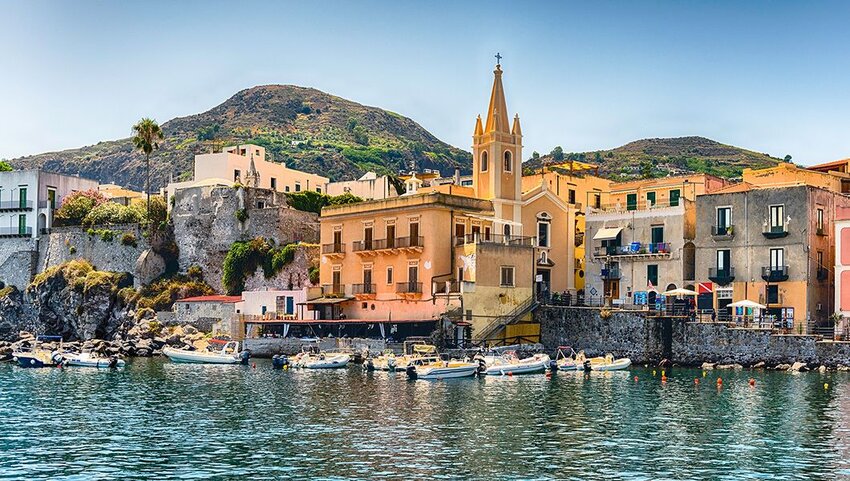
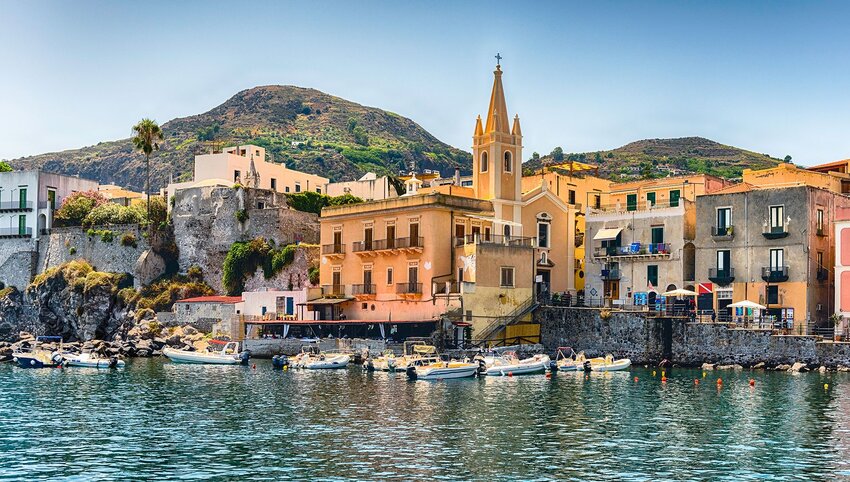
Homer chronicled the adventures of Odysseus through this lonely archipelago, and the Aeolians (“islands of the wind”) still attract seafarers drawn to the dreamy beaches and sapphire-blue seas that circle these seven islands off the coast of Sicily. Visitors who arrive via ferry or private boat can explore hidden coves, bathe in mineral-rich mud baths and hot springs, and feast on cuisine that marries Italian and Greek flavors while making the most of the local seafood, capers, herbs and wine.
Wonder at the ever-illuminating Stromboli — one of only six continuously erupting volcanoes on the planet. The island of Panarea boasts a Bronze Age village along with jetset amenities like cutting-edge nightclubs and several chic hotels. Lipari, the largest island in the chain, is home to an impressive archaeological museum, while Salina was made famous in Il Postino, the Academy Award-winning film chronicling the Aeolian exile of Chilean poet Pablo Neruda.
Isle Royale, Michigan
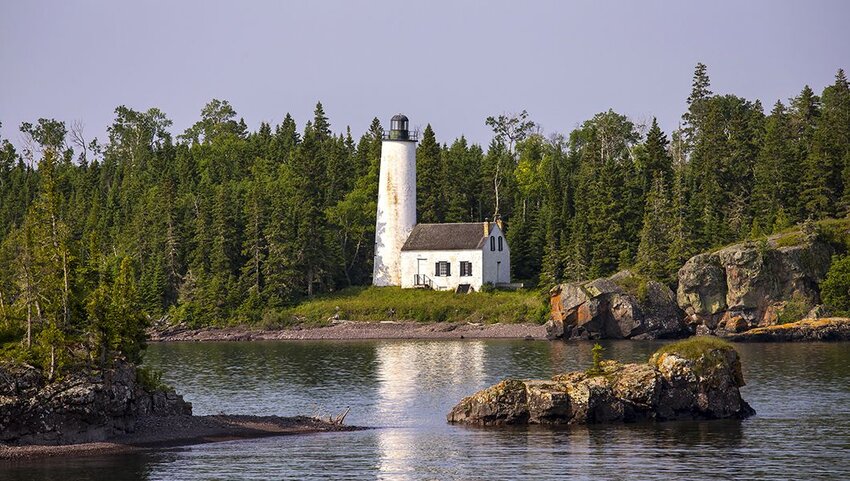
Located in the cold, crystal-clear waters of Lake Superior and the largest of a 450-island archipelago, Isle Royale is an untouched boreal wilderness boasting shipwrecks, lighthouses, 150+ miles of hiking trails, and more wildlife than people, including gray wolves, moose and otters. The Ojibwa people called Isle Royale “Minong” (the good place) and the island is both protected as a U.S. national park and listed on the National Register of Historic Places as The Minong Traditional Cultural Property. Fishing, kayaking, and scuba diving are popular, and the island is a paradise for bird watchers.
Isle Royale and its surrounding islands are closed to all visitors from November 1 through April 15th, and permits are required for overnight stays. Mid-July through mid-September is the high season, and the island’s 36 campgrounds (accessible only by boat or on foot) will be crowded. Bring your bug spray but leave pets at home — only licensed, registered and permitted service dogs are allowed into this fragile ecosystem.
Raja Ampat, Indonesia
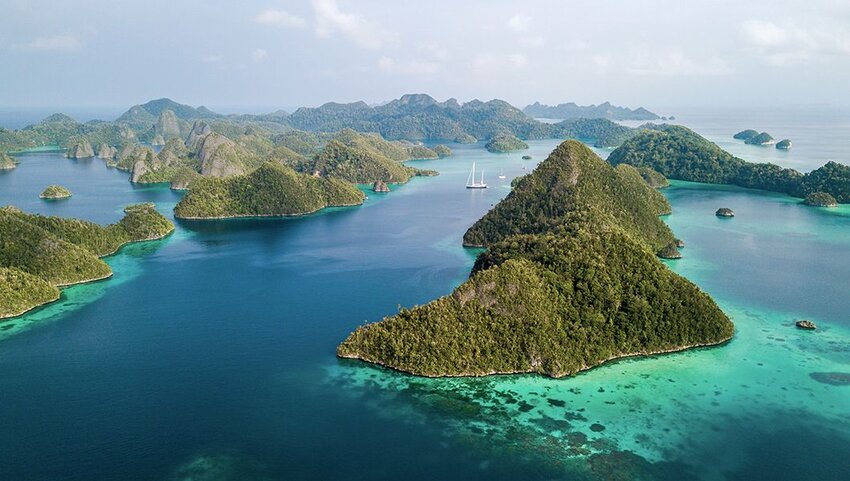
Located between the Indian and Pacific Oceans, this archipelago of about 1,500 mostly minuscule islands off the western shore of New Guinea takes its name from the four largest, which are known as the “Four Kings” (Raja Ampat in Bahasa Indonesian). The coral-studded waters and jungle-draped islands are a holy grail for nature lovers, especially scuba divers and snorkelers who come to explore the world’s most diverse marine environment.
While the waters teem with more than 600 species of hard coral — 75% of the world’s known varieties — there are also whales, turtles, pygmy seahorse and countless species of fish. Above the seas, there is rich birdlife — including two species of bird-of-paradise along with prehistoric paintings in caves and on coral cliffs.
Blue Grotto, Italy
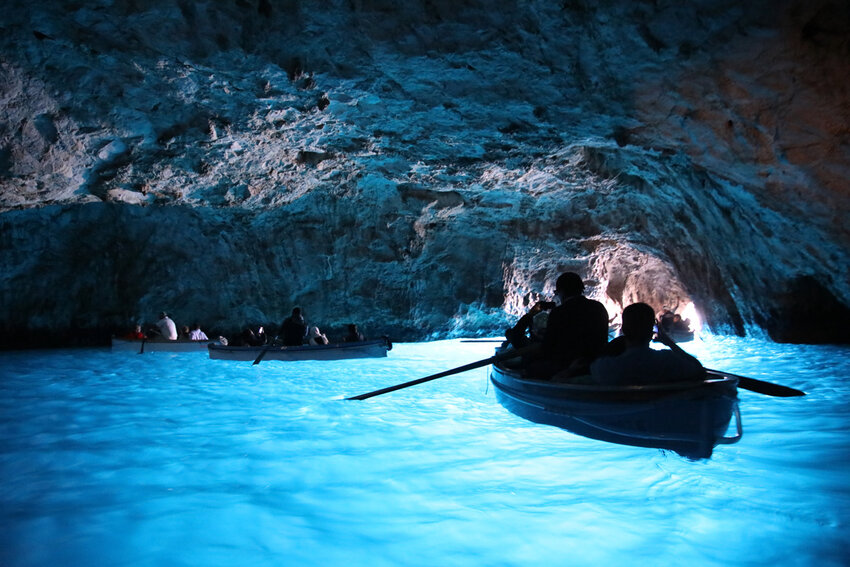
Like many sea caves, this world-renowned coastal attraction is accessible only by rowboat. Carved into the cliffs of the Italian island of Capri, the Blue Grotto (Grotta Azzurra) is reached through a narrow opening that allows only shallow boats to slip inside at low tide. Once within the cavern, visitors are greeted by an otherworldly sight. Sunlight enters through an underwater opening and reflects off the sandy seafloor, illuminating the water with the grotto's famous electric-blue glow.
The cave has captivated visitors for centuries. It was reportedly a favorite retreat of Roman Emperor Tiberius and remains one of Capri's most popular attractions today. To enter, visitors board small rowboats piloted by local skippers. Because the entrance is barely a meter high, passengers must lie flat in the boat as it passes beneath the rocky archway. Once inside, resist the urge to reach for your camera. Instead, take in the natural spectacle and let the grotto's shimmering beauty leave a lasting impression.
Rendezvous Bay, Montserrat
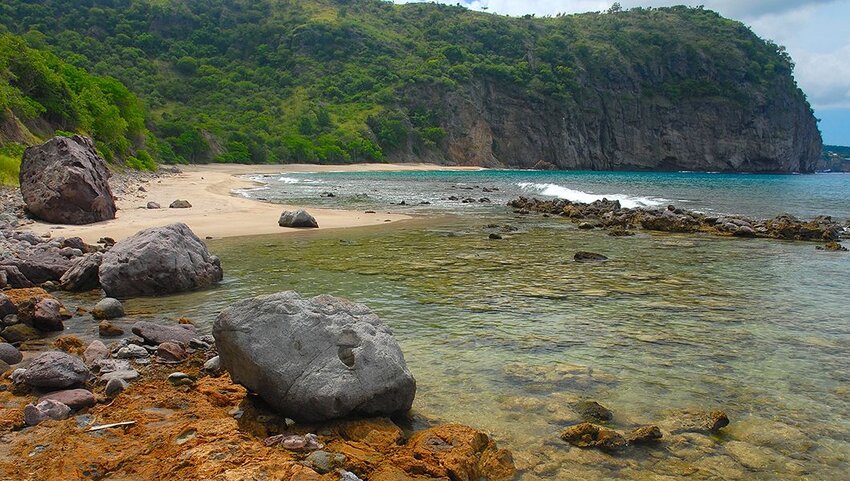
The colony of fruit-eating Antillean bats that nest in two caves on this Caribbean island is only one of the attractions at Rendezvous Bay. Boasting the island’s only white sand beach, Rendezvous can technically be accessed via a steep hike, but kayaking or boating to this secluded spot is definitely the way to go. The beach has no facilities, so be sure to pack your own picnic and bring plenty of drinks to enjoy in this idyllic bay.
The tiny British overseas territory of Montserrat is part of the Lesser Antilles, and a mecca for scuba divers, snorkelers and nature enthusiasts who appreciate the island’s laid-back charm. Lava lovers won’t want to miss visiting the observatory monitoring the Soufrière Hills volcano, which began its current eruption in 1995.
Svenner, Norway
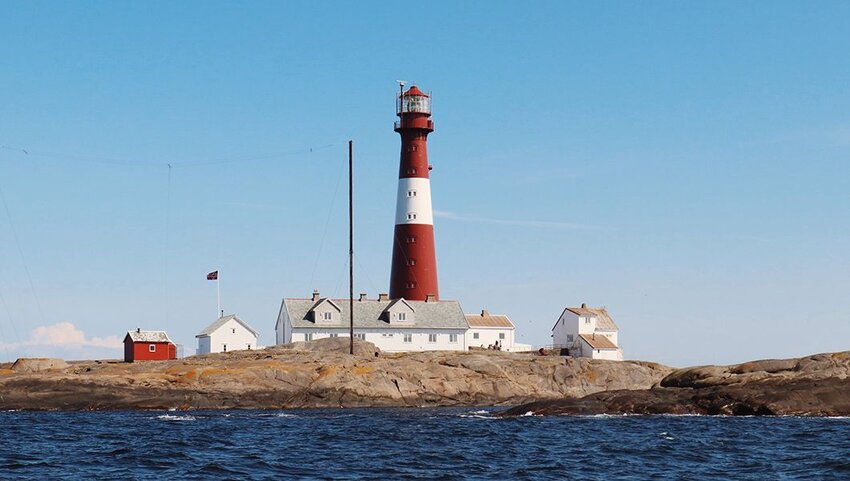
Norway is famous for its fjords, and has more than a thousand of the deep, glaciated valleys, offering no shortage of spots accessible only by boat ... and even then, only accessible when waves and weather cooperate. Off the coast of the Skaggerak coast at the mouth of five-mile Lvarikfjord lies a small group of islands. Called Svenner, the archipelago is noted for its historic red lighthouse. First lit in 1874, the current cast iron structure was erected in 1900.
Only two hours from Oslo, Svenner is a popular destination for boaters who come to explore the golden cliffs and observe the wide variety of birds that nest on the islands or rest and feed on the rocky beaches during their migration. In the summer season, visitors and volunteers who maintain the lighthouse can stay overnight in one of the six rustic cottages. The nearby town of Larvik is the home of famed Norwegian explorer Thor Heyerdahl.